
01 / Construction & infrastructure
Connect design to delivery.
Scan to BIM, BIM coordination and BIM-based project management that keep models, programmes and site progress aligned.
Explore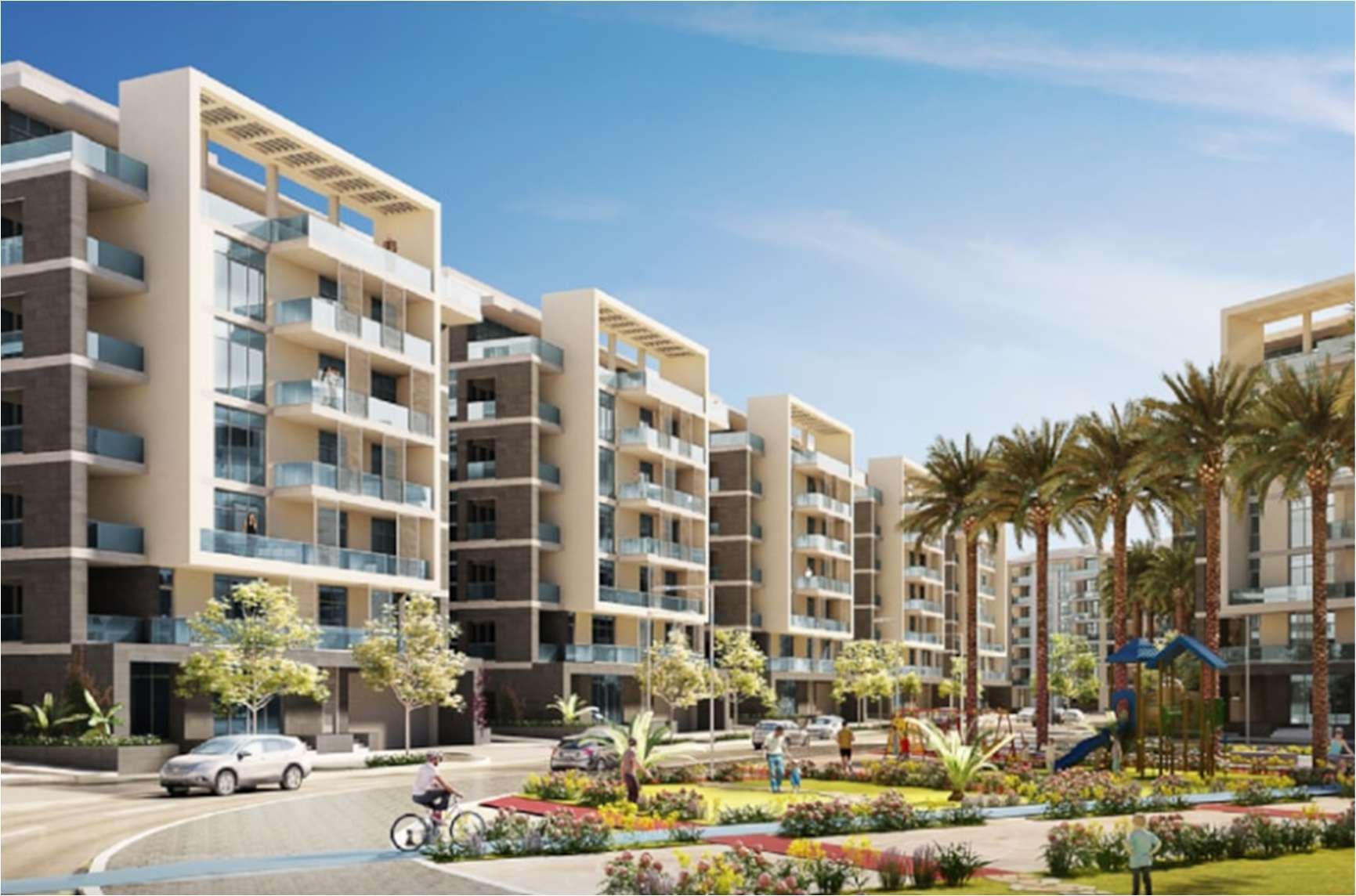
 INFRALYTICABUILDING INTELLIGENCE
Across industries
Every industry has its own language. Most share the same gap: work, data and decisions that don't connect.
Different environments create different information demands.
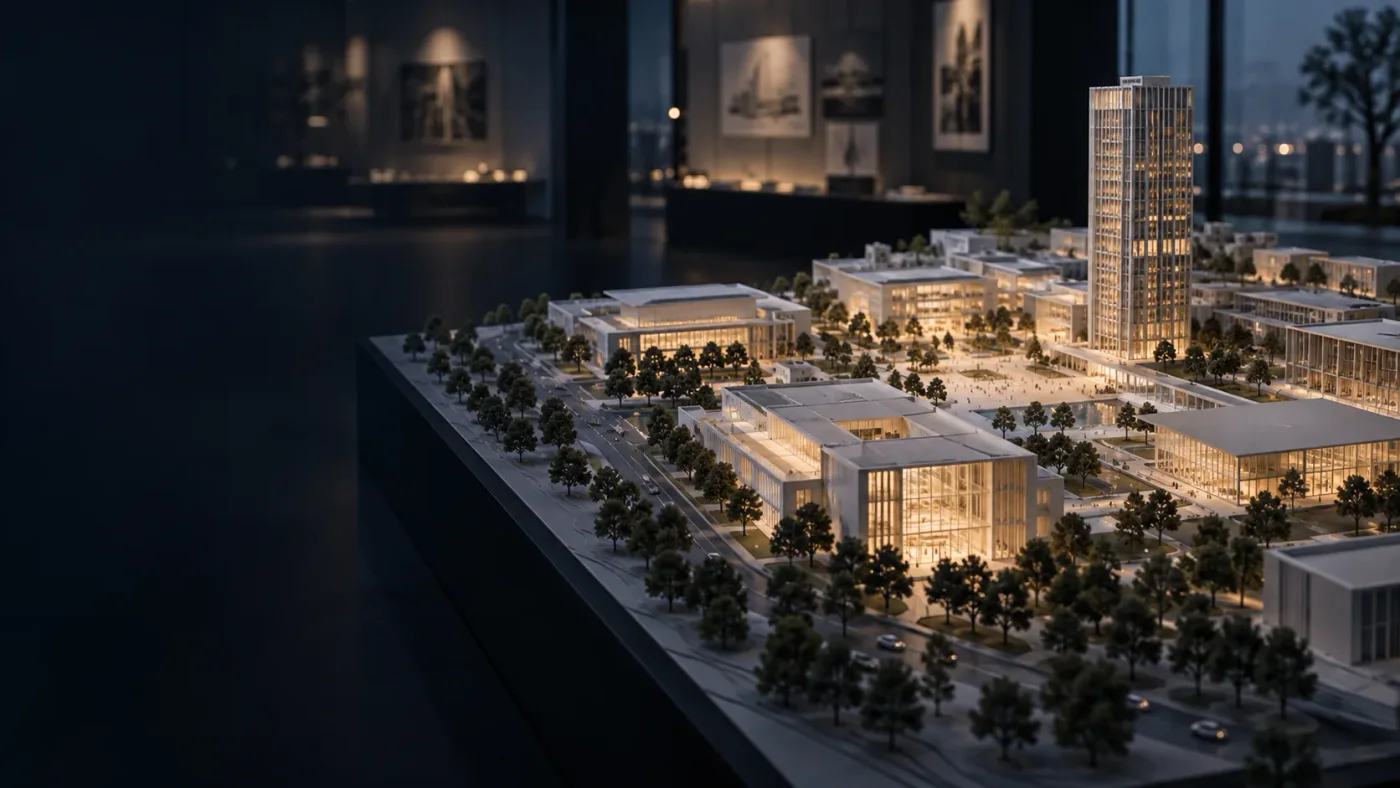
Concept visualisation
Built environments
Across industries
Every industry speaks its own language. The approach stays the same: start with the work, its interfaces and the decisions people need to make.
01 / Construction & infrastructure
Scan to BIM, BIM coordination and BIM-based project management that keep models, programmes and site progress aligned.
Explore02 / Manufacturing & industrial
Automate reporting, connect machine, process and quality information, and build tools for operational review.
Explore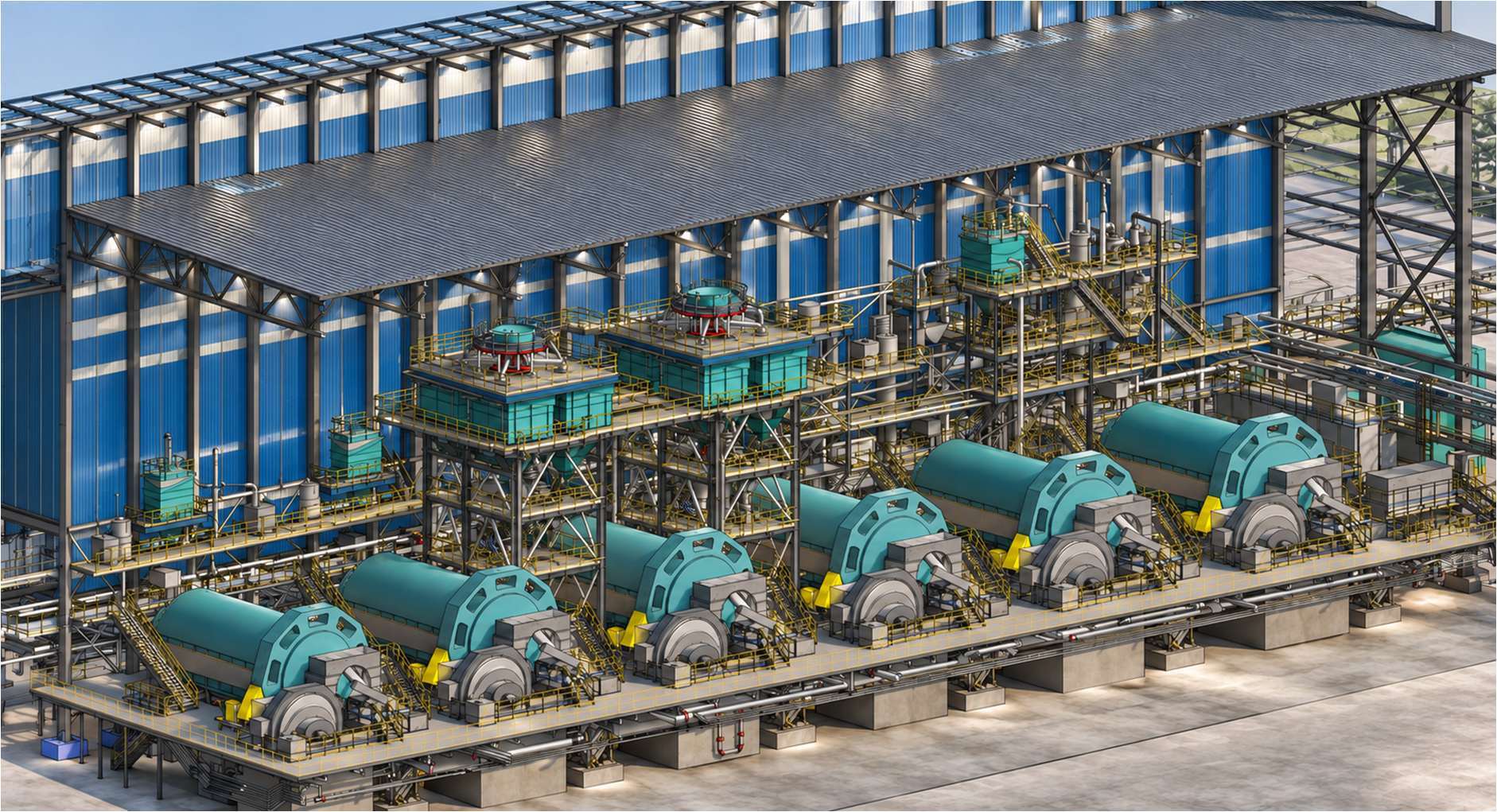
03 / Public sector & institutions
Structure information across buildings, departments and approvals for large institutional campuses and public works.
Explore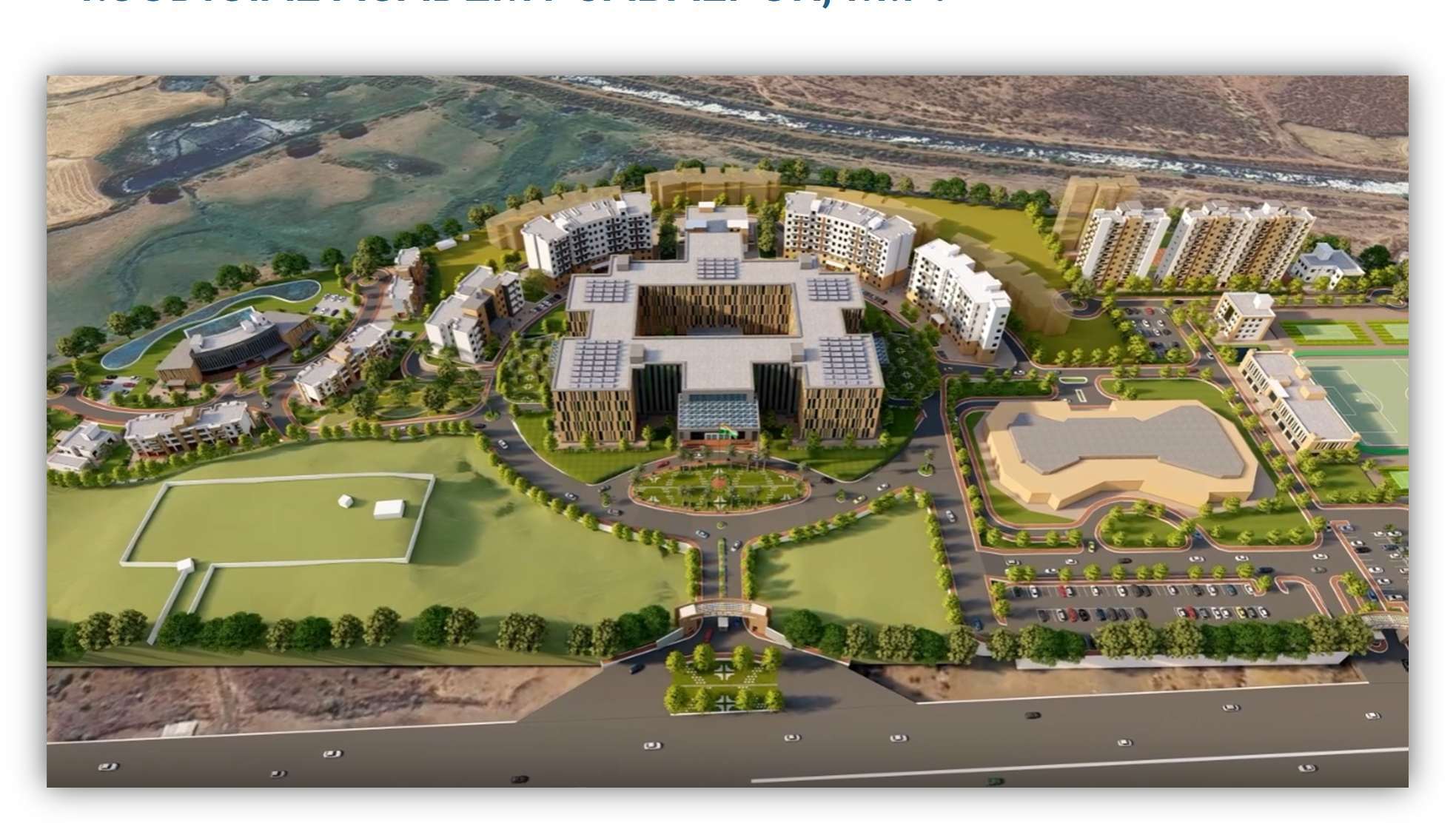
04 / Enterprise operations
Process automation, AI workflows, custom software and decision dashboards for operations, finance and administration teams.
Explore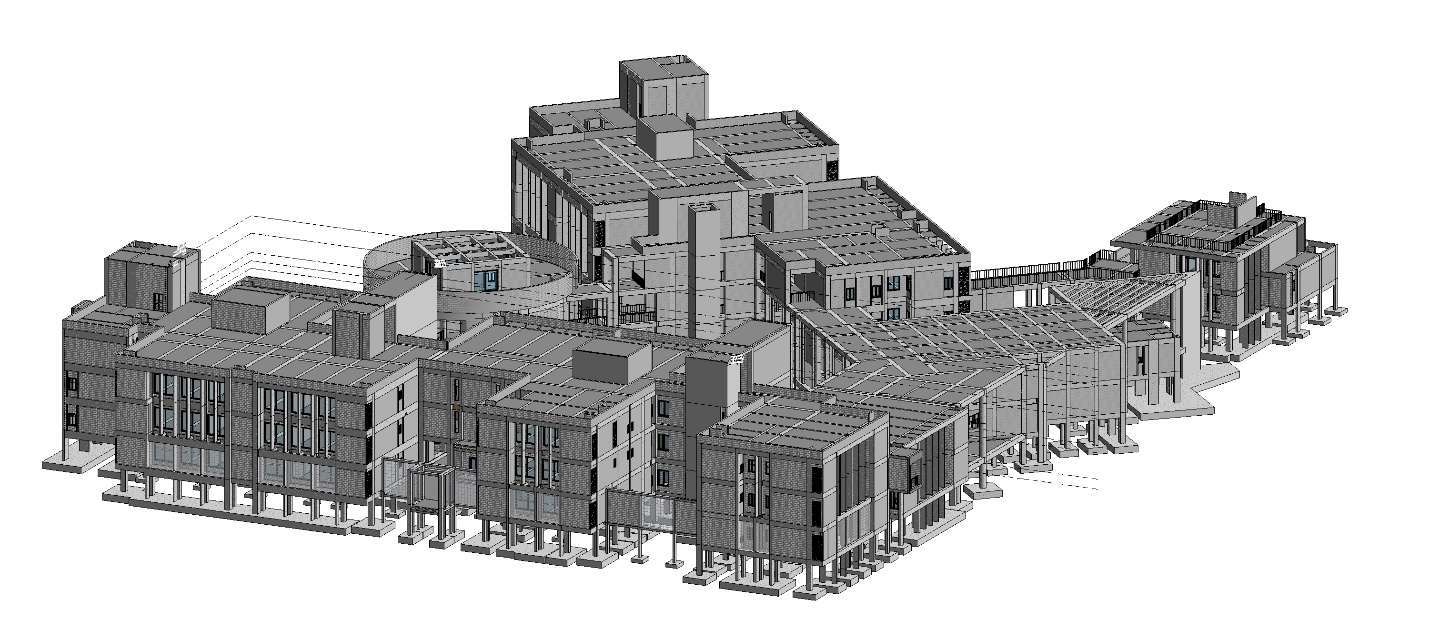
Your next chapter
Tell us where work, data or systems are slowing you down. We'll recommend the right start — a discovery sprint, a defined project or a dedicated team.
Discuss your projectUseful starting points: the process · the data you have · the decision to improve · your timeline
Continue the journey
Explore the environments behind our work.